Martin Eden's bicycle
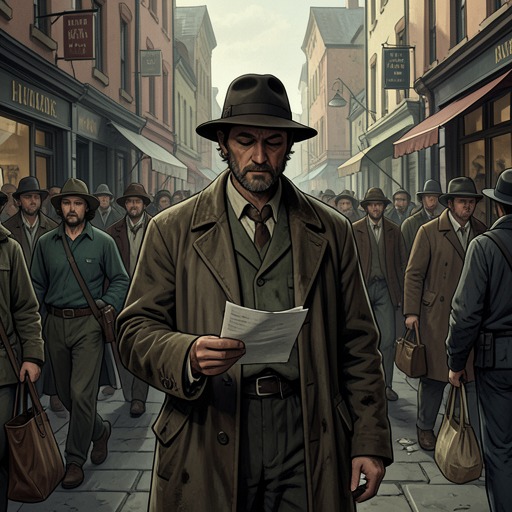
Martin EdenMartin Eden's bicycle is both a practical means of movement and one of his few assets that can be turned into cash. Martin repeatedly has to choose between keeping it for work and courtship or pledging it to meet immediate needs, so its changing status makes his financial insecurity tangible.
Recovery and Financial Relief
When a forty-dollar check from White Mouse arrives, Martin uses the money to pay his tradesmen, redeem his suit and bicycle, and cover rent for his room and typewriter. After those payments, he has nearly three dollars left for emergencies. The bicycle's return is part of a broader, temporary recovery: he has cleared debts and reclaimed possessions that hardship had put out of reach.
Mobility, Work, and Courtship
As money remains tight, Martin decides that the long walk from North Oakland to Ruth Morse's home and back consumes too much time. He keeps the bicycle and pawns his black suit instead. The wheel gives him exercise, saves hours he can use for work, and allows him to continue seeing Ruth. Wearing knee-length duck trousers and an old sweater as cycling clothes, he can take afternoon rides with her even as he has fewer chances to meet her at home.
The bicycle thus serves several needs at once: it carries Martin to Ruth, preserves time for his writing, and helps him manage the demands of an impoverished life. Its value is not only monetary. Compared with the suit, it is the possession he judges more useful to his daily routine and relationship.
The Bicycle as Collateral
Later, in muddy fall weather, Martin has already pledged the bicycle and retained his black suit. When he seeks an additional loan against the wheel, he argues that it is worth forty dollars and that the pawnbroker has advanced only six dollars and a quarter after deducting interest in advance. The pawnbroker refuses to lend more without the suit as further security.
That exchange reverses Martin's earlier decision to pawn the suit in order to keep the bicycle. Now the bicycle itself is collateral, and its substantial stated value cannot secure the money Martin needs. The gap between its worth and the small amount he has received underscores how little leverage he has when distress forces him to borrow.
Narrative Significance
The bicycle's recurring movement between use and pawnshop makes economic pressure visible through an ordinary object. Recovered with the White Mouse payment, it briefly supports Martin's work and visits to Ruth; pledged again, it becomes evidence that his relief has not ended his precariousness. Its changing role captures the practical calculations behind his ambitions: time, mobility, and companionship must all be balanced against the need for cash.